

Andean Theater
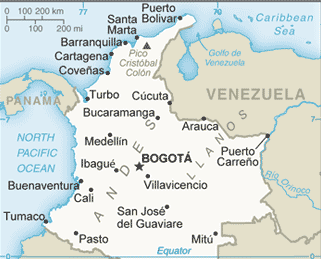
Colombia: FARC escalate attacks, indigenous pueblos caught in middle —again
Submitted by WW4 Report on Sat, 02/04/2012 - 05:47.Colombia's armed forces are scouring the country's southwest region in the hopes of capturing FARC guerrilla leaders following a of audacious and deadly attacks. President Juan Manuel Santos called the FARC "hypocrites" playing a "double game" for committing "terrorist acts" weeks after raising the prospect of peace talks. Following a security council meeting in the Pacific coast town of Tumaco—where a bomb planted in a tricycle killed nine people and wounded 76 outside a police station on Feb. 2—Santos said such violence "rejects everyone and it moves us away from any possibility of peace." A 3-year-old girl, a 19-year-old woman and a police commander were among the six people killed in in another Feb. 2 attack, on a police post in the town of Villa Rica, Cauca department. Santos offered a reward of $668,000 for the capture of FARC commander "Rambo," believed to be responsible for the new attacks.
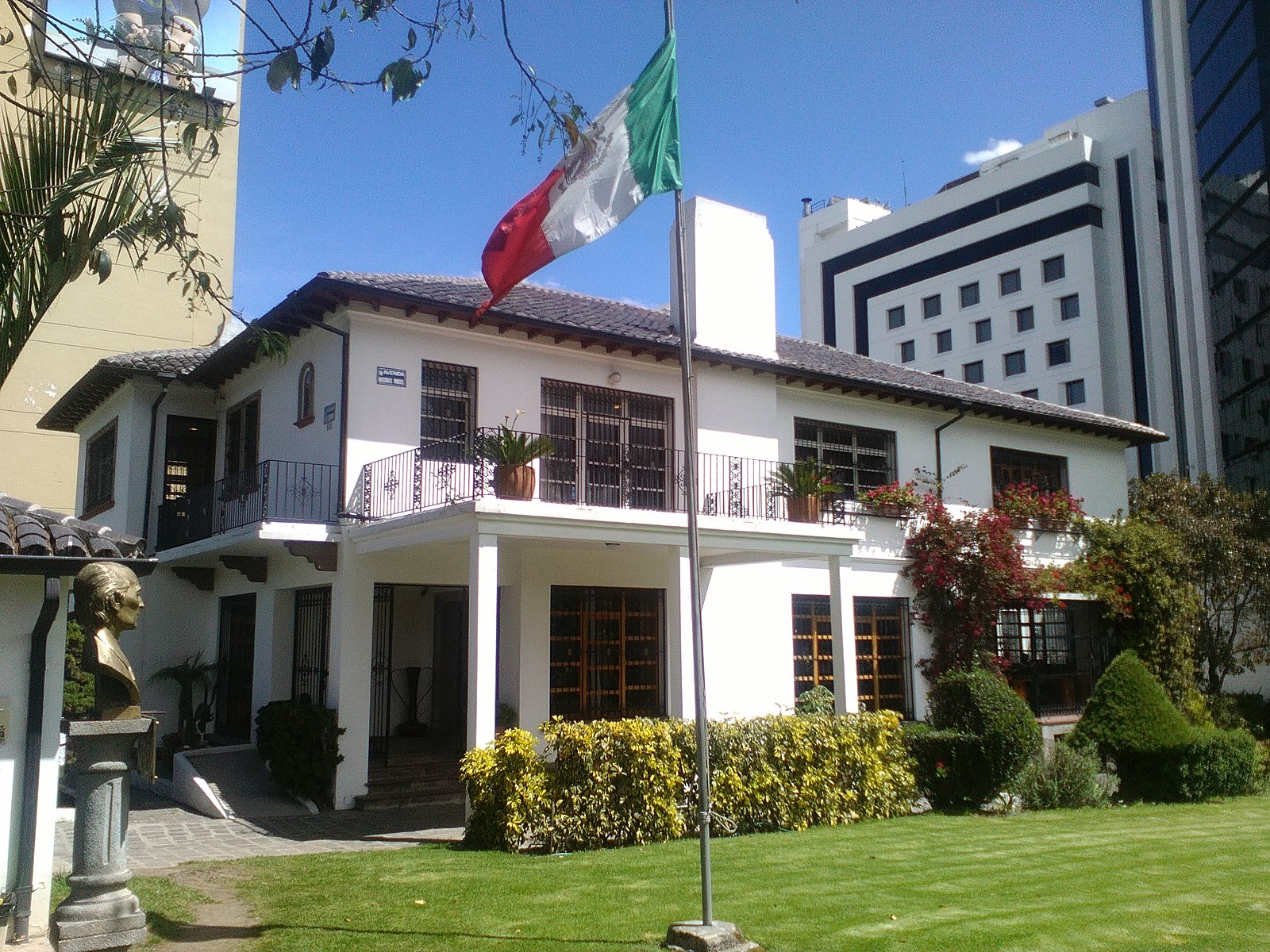
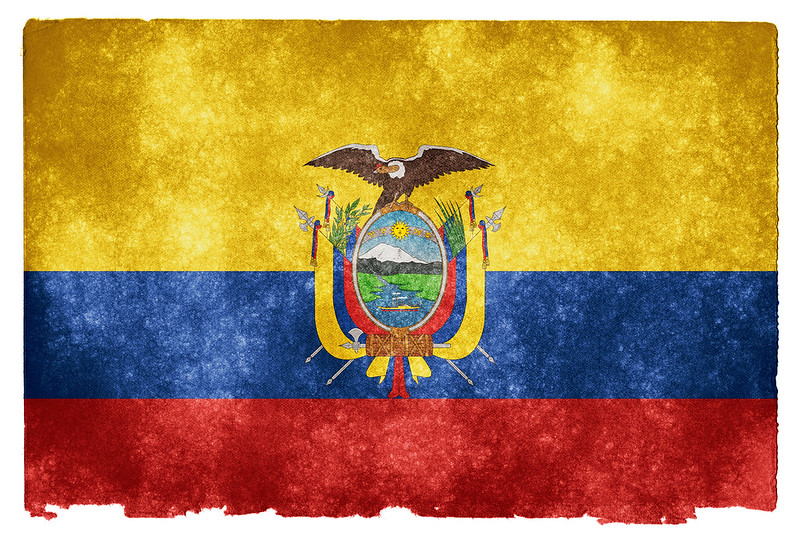
Ecuador: ex-guerillas return absconded swords
Submitted by WW4 Report on Sat, 02/04/2012 - 05:36.On Jan 29, former militants of the Alfaro Vive Carajo (AVC) guerilla group turned over to Ecuador's President Rafael Correa the swords of revered 19th century presidents Eloy Alfaro and Pedro J. Montero, stolen by the guerillas from a Guayaquil museum in 1983. The handover took place at a ceremony commemorating the centenary of Alfaro's death, at his birthplace Montecristi in coastal Manabí province. The AVC said in a statement signed by 39 militants that after holding the swords in their custody for 28 years, they decided to return them to deepen the "revolutionary democratic process."
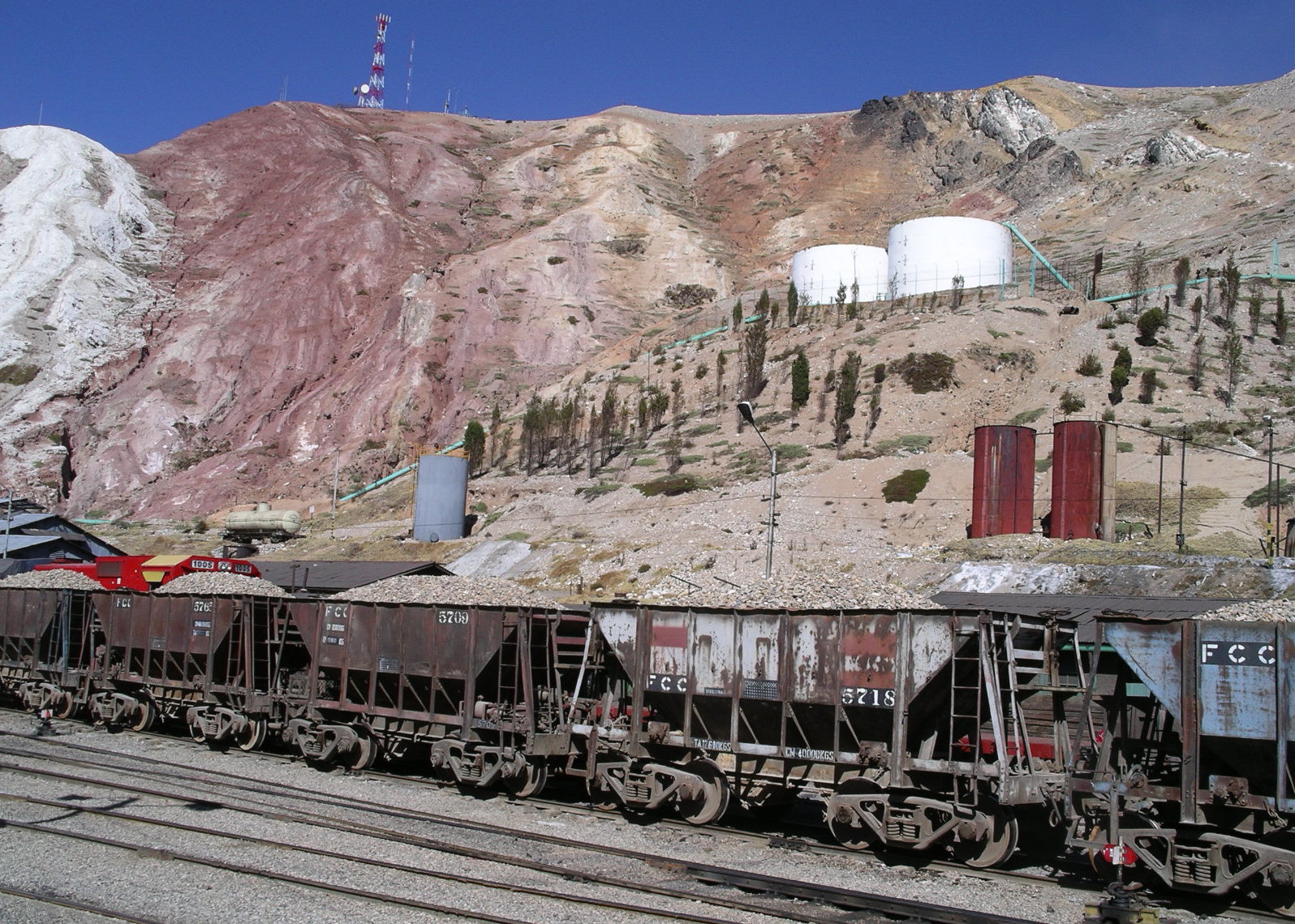
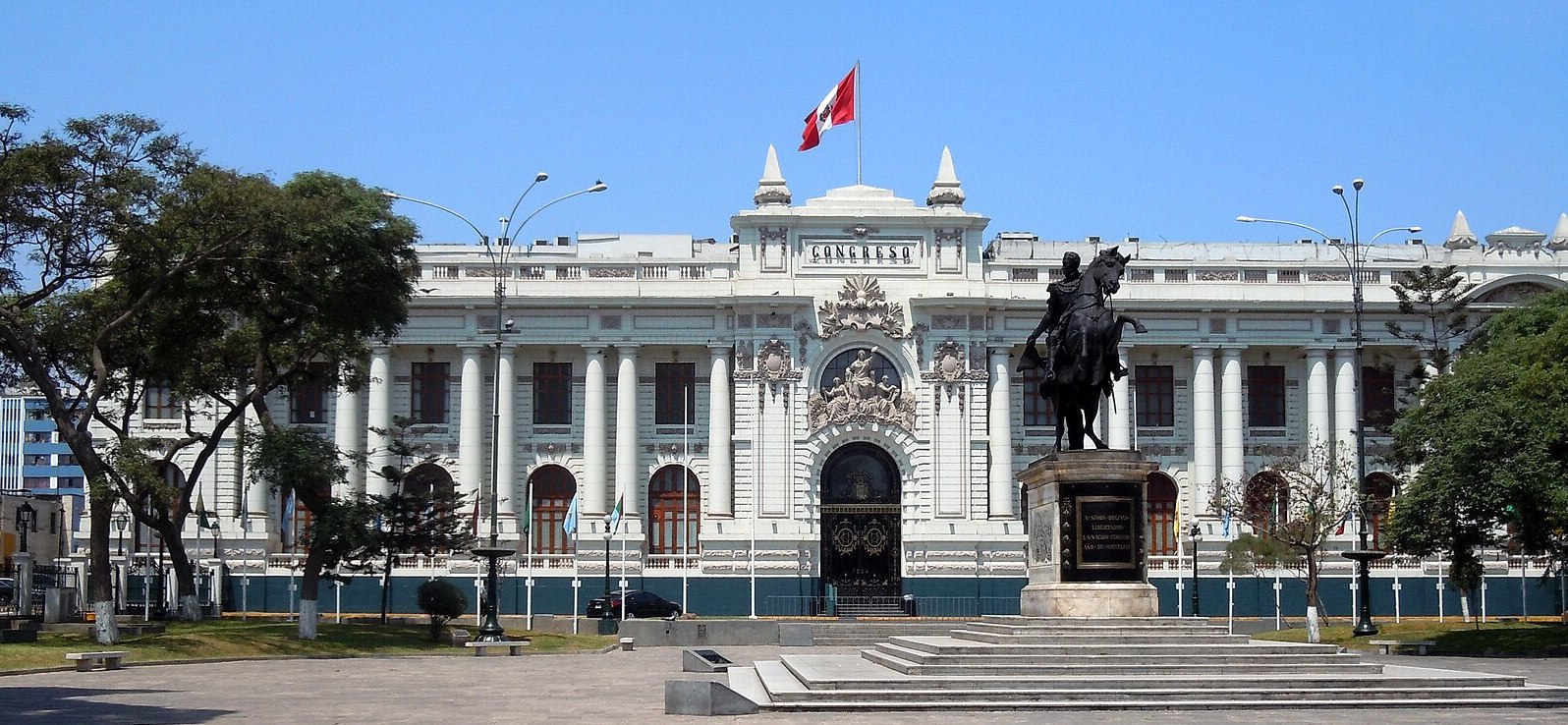
Peru: national mobilization for water, against Conga mine
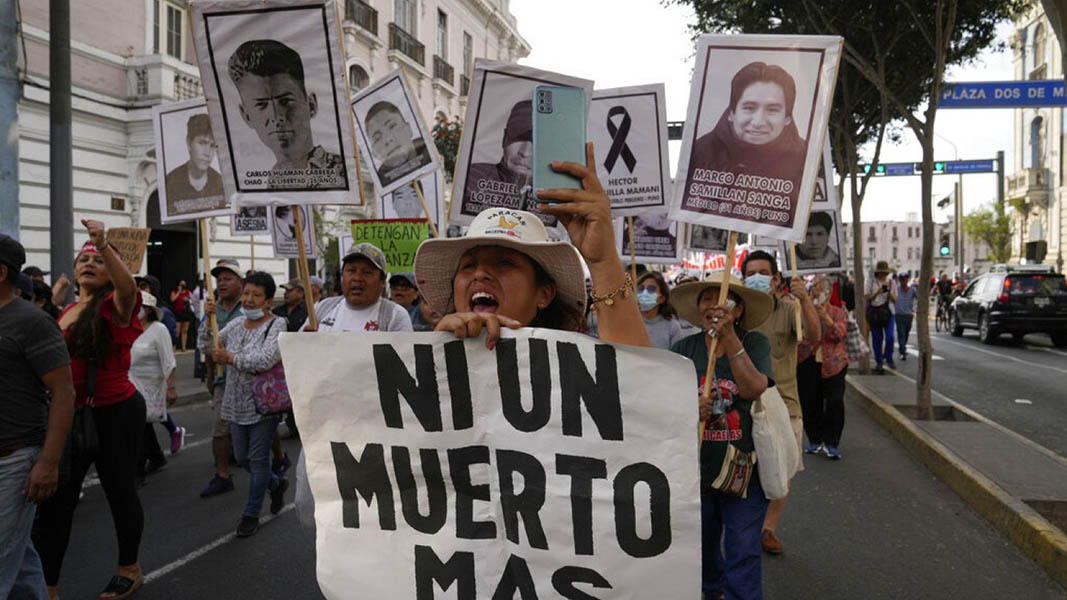
Submitted by WW4 Report on Sat, 02/04/2012 - 04:22.Opponents of the US-owned Conga mining project in Peru's northern Cajamarca region launched a cross-country National March for Water on Feb. 1, some 500 participants symbolically departing from Laguna Cortada, one of the high mountain lakes to be threatened by the proposed mine. The march hopes to arrive in Lima Feb. 10 in time to convene a National Forum on Hydraulic Justice. A hundreds-strong solidarity march was also held in Arequipa, capital of the southern region of that name which has been the scene of recent protests over mineral development. Organizers expect thousands to join the march on its way to Lima.
Ecuador: indigenous and women's groups slam Correa
Submitted by Weekly News Update on Tue, 01/24/2012 - 10:37.On Jan. 10 the Confederation of Indigenous Nationalities of Ecuador (CONAIE), the country's main indigenous umbrella group, issued a communiqué reporting a "surprising and inexplicable" police presence in the organization's headquarters in Quito. "[A]round 9:45 am police arrived [in a] truck [at] the CONAIE offices, and two police agents dressed in black entered inside the offices," the group wrote. Asked to explain their presence, one agent mentioned a possible danger to CONAIE president Humberto Cholango; later the agents said they were there to protect a meeting of indigenous organizations scheduled for that day. CONAIE said it hadn't reported any dangers or asked for protection, and the group denounced the "arbitrary and illegal acts against social organizations that [are] being implemented in Ecuador." (CONAIE communiqué, Jan. 10)
Colombia: Caño-Limón pipeline blown up —again
Submitted by WW4 Report on Fri, 01/20/2012 - 21:45.Colombia's Caño-Limón oil pipeline was bombed by presumed FARC guerillas Jan. 20—with pumping still halted following a similar attack one week ago, the national oil company Ecopetrol said. The new rupture, at Convención in Norte de Santander department near the Venezuelan border, has local communities worried about an oil slick that is advancing on the Río Catatumbo. Authorities are racing to contain the oil before it contaminates the river. Two days earlier, a blast ruptured the smaller Zulia-Ayacucho pipeline through the region, also threatening the Catatumbo. The attacks come amid a new FARC offensive in Norte de Santander, which included a car bomb attack in Tibu that killed three civilians.
Colombia: government blinks in regional strike against hydro project
Submitted by WW4 Report on Thu, 01/19/2012 - 22:50.After a regional strike had shut down Colombia's central Andean department of Huila for 15 days, the protest campaign was suspended Jan. 17 when the central government agreed to public hearings on the controversial Quimbo hydro-electric project. The pact signed by protest leaders, the Huila regional government and national Environment Ministry calls for hearings to convene the first week of February in Garzón municipality, one of those affected by the project. The paro (civil strike) was called by the Association of the Affected by El Quimbo Dam (ASOQUIMBO), the Regional Indigenous Council of Huila (CRIHU) and other popular organizations. Protesters blocked equipment at the construction site, bringing work to a halt, as well as blocking the central highway through the region.
Colombia: another indigenous leader slain in Cauca
Submitted by WW4 Report on Mon, 01/16/2012 - 03:24.An indigenous leader who 11 years ago escaped kidnappers from the FARC rebel group, was gunned down in the southwestern Colombian department of Cauca Jan. 12, according to the regional indigenous alliance ACIN. Milciades Trochez Conda was shot 10 times by two assailants on a motorcycle who intercepted him on a road near the hamlet of Caloto, ACIN said, citing witness accounts. A member of the indigenous council at the village of Jambaló, Trochez Conda, 39, was a father of seven and a leader in efforts to secure the autonomy of the region's resguardos (indigenous reserves) against armed groups. He was killed on his way to Santander de Quilichao, the nearest market town.
Peru: anti-drug chief who suspended coca eradication resigns
Submitted by WW4 Report on Wed, 01/11/2012 - 20:33.Ricardo Soberón, the anti-drug chief who last year briefly suspended coca eradication in Peru, resigned under pressure from the administration of President Ollanta Humala Jan. 10. The Council of Ministers (cabinet) appointed Carmen Masías Claux, a psychologist who is an advocate of eradication, to replace Soberón as head of the National Commission for Development and Life without Drugs (DEVIDA). The Council of Ministers is now led by the man who was interior minister at the time of Soberón's suspension of the program, Oscar Valdes—who publicly disagreed with the suspension, and ordered the program's resumption within a week.
US boots Venezuelan consul in supposed cyber-attack plot
Submitted by WW4 Report on Mon, 01/09/2012 - 22:45.The State Department on Jan. 9 officially expelled a Venezuelan consul general over an alleged plot involving Venezuela, Iran and Cuba to launch a cyber-attack against Washington. The department said it gave Livia Acosta Noguera, Venezuela's consul general in Miami, 24 hours to leave the United States after declaring her persona non grata—the most serious form of censure a country can apply to a foreign diplomat. The move comes after recent claims on the US-based Spanish-language TV network Univision that Acosta was involved in plans three years ago, with a group of diplomats based in Mexico to attack the computer systems of the White House, FBI, CIA, Pentagon, National Security Agency and several nuclear power plants. The report also claimed Acosta was seeking the aid of hackers to uncover incriminating information on US political figures, including Hillary Clinton and John McCain. Iran's former ambassador to Mexico, Mohammad Hassan Ghadir, appeared on Univision last month to deny the accusations. The network tied Acosta to Venezuela's espionage agency, the Bolivarian Intelligence Service.
Bolivia: Cochabamba social summit highlights contradictions
Submitted by WW4 Report on Sun, 01/08/2012 - 21:16.The Bolivian government is currently studying a bill to ban the sale of land to foreigners, Vice Minister of Land Edgar Apaza said Jan. 8. The proposal came from a social summit held in Cochabamba last month, which brought together lawmakers and representatives of popular movements. Apaza endorsed the proposed law, which would include penalties for those who attempt to disguise land ownership to skirt the ban. He stressed that Bolivia is obliged to pass such a law by Article 396 of the new constitution, which denies the acquisition of national lands by foreigners. Many of the best lands in the east and south of the country are in the hands of Brazilians and Argentines. (Prensa Latina, Jan. 7)


3 hours 25 min ago
7 hours 25 min ago
1 day 19 hours ago
2 days 9 hours ago
2 days 16 hours ago
3 days 23 hours ago
4 days 17 min ago
4 days 12 hours ago
6 days 16 hours ago
6 days 16 hours ago